Blog · AmazVid vs Runway vs Kling
AmazVid vs Runway vs Kling for Ecommerce Product Video
AmazVid vs Runway vs Kling for ecommerce product AI video in 2026: first-frame lock, silent 1080p listings, Seedance 2.5 / MiniMax H3-class motion, and when each tool wins.
Updated 2026-09-05 · 11 min read · AmazVid Editorial

Sellers searching AmazVid vs Runway vs Kling usually want one answer: which AI video stack ships catalogue-true product clips without a studio week? This 2026 comparison is written for Amazon, Shopify, and TikTok Shop operators — not for film students chasing surreal demos.
Hub: AI product video
We score three paths:
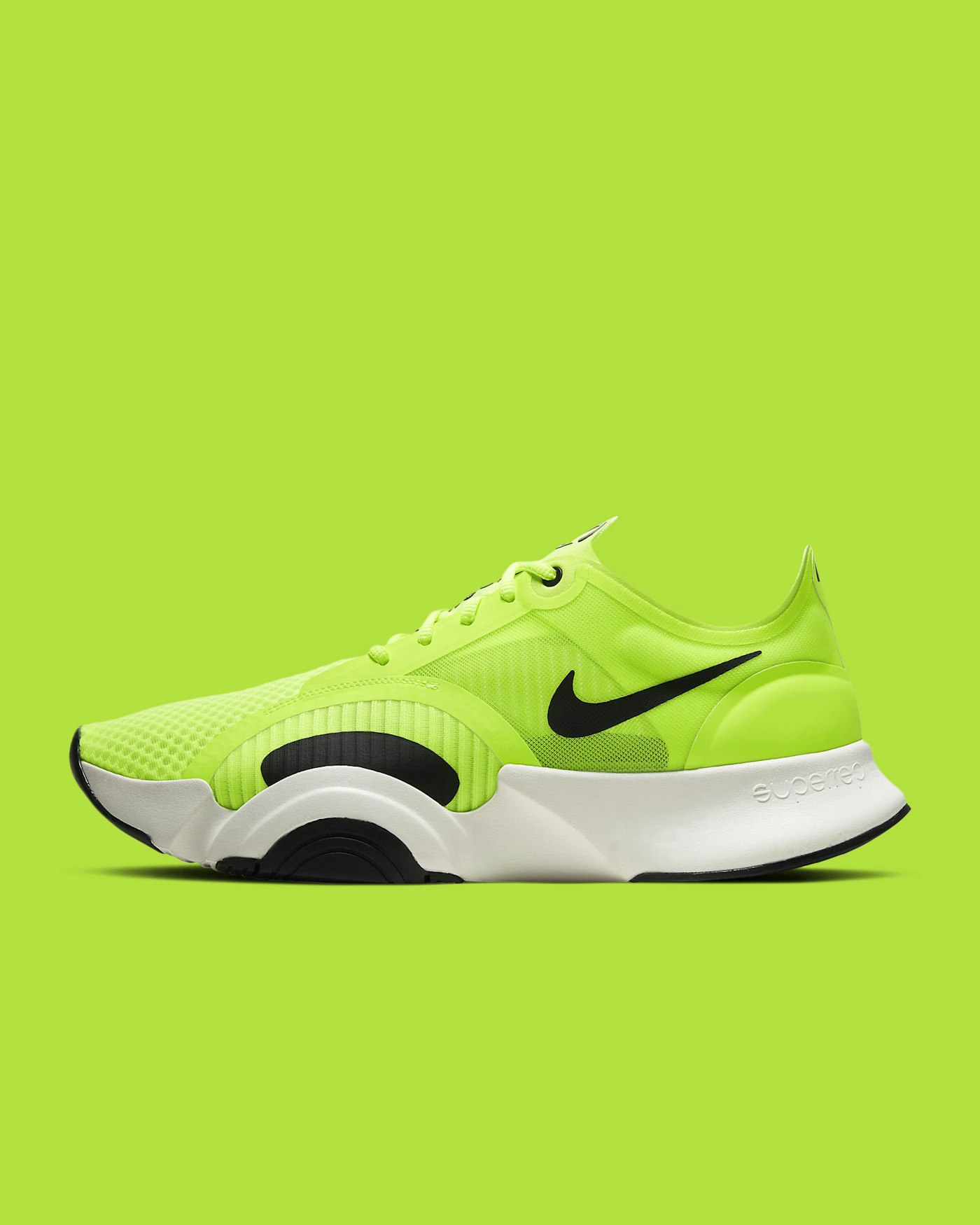
- AmazVid — ecommerce product AI video studio (URL/photo → first-frame lock → silent 1080p)
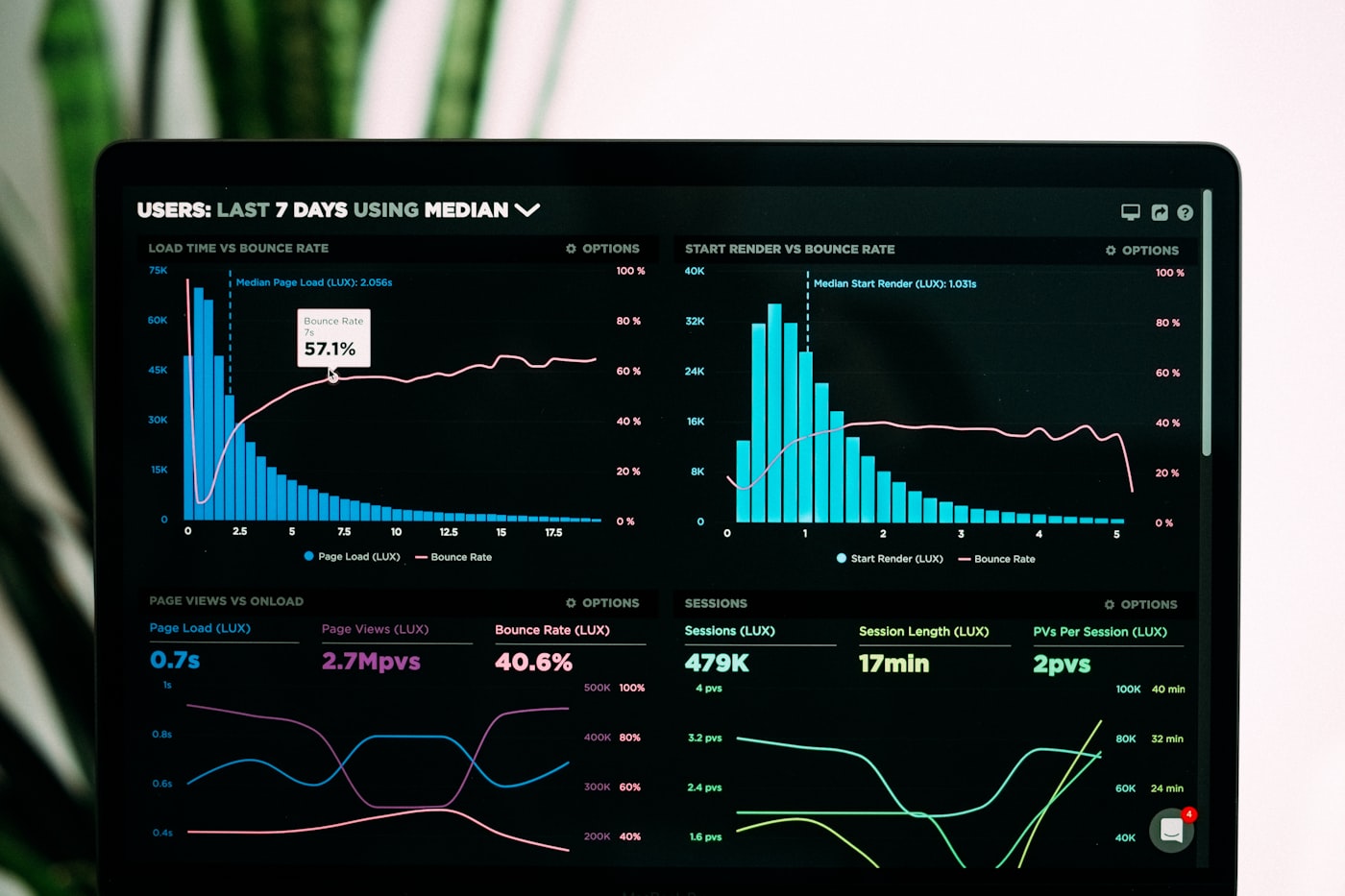
- Runway — general creative video platform popular with agencies and social editors
- Kling — high-attention image-to-video / text-to-video model often used for dramatic motion
For model-name searches like Seedance 2.5 and MiniMax H3, see Seedance 2.5 vs MiniMax H3. For “model-name” queries like OpenAI video, Happy Horse, or NanoBanana, use the route-based guide: Best AI Video Generator 2026. For the operating playbook, see ecommerce product AI video.
What ecommerce actually needs
Ignore trailer aesthetics for a moment. Listing video has five pass/fail checks:
- Frame one matches the SKU still buyers see on the PDP
- Logos and on-pack text stay readable on a phone
- Colourways do not drift mid-clip
- Exports can be silent (marketplace autoplay)
- Ratios cover 16:9, 1:1, and 9:16 without rebuilding every prompt
Tools that fail these checks create refunds even when the render looks “premium.”
AmazVid — built for catalogue operators
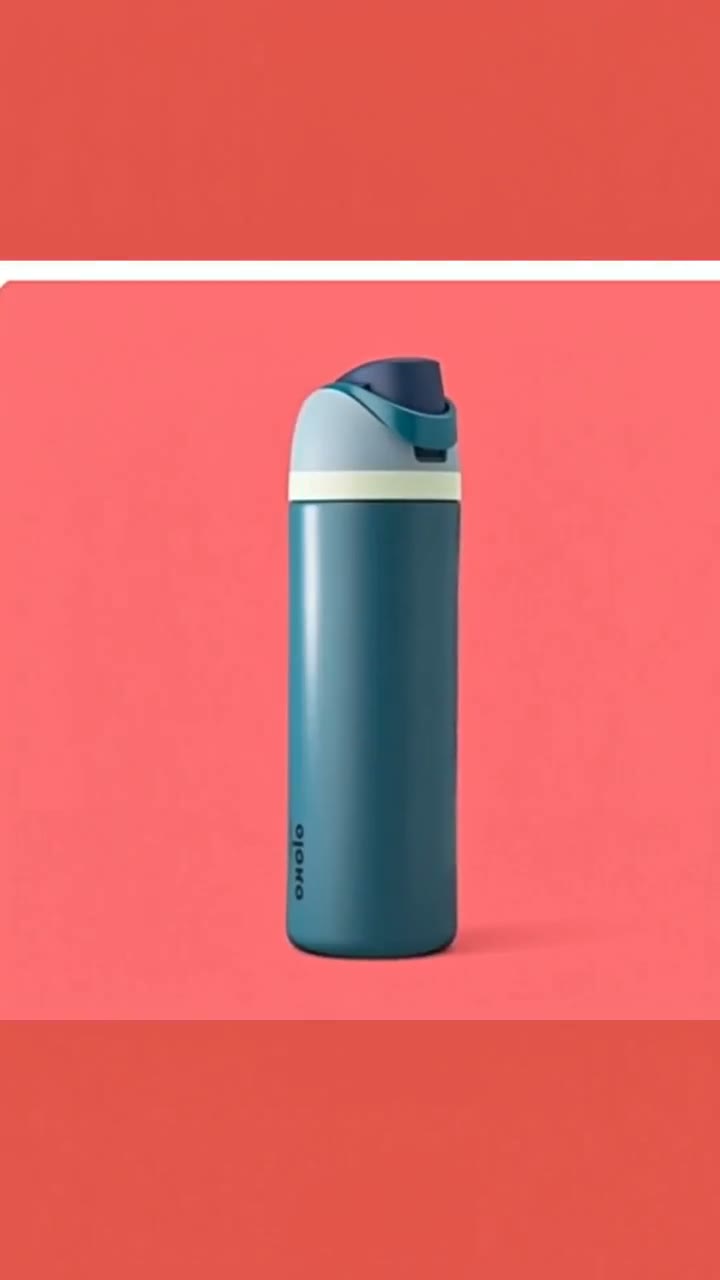
Best for: Amazon FBA, Shopify DTC, agencies refreshing dozens of SKUs.
AmazVid wraps modern motion (Seedance-class / MiniMax-class quality) inside an ecommerce workflow:
- Paste Amazon / Shopify / Etsy / Temu links or upload photos
- Product shot vs Ad creative modes
- Silent 1080p downloads for galleries
- Credits and retries for production teams
Wins when: you care about first-frame lock, silent PDPs, and batchable SKU work.
Skip when: you need long narrative films, talking-head scripts, or experimental VFX reels.
Runway — creative sandbox with agency muscle
Best for: editors who already live in a creative suite and will manually QA every frame for Brand Registry.
Runway is excellent for social storytelling, campaign concepts, and experimental camera moves. Teams love the breadth of generative controls.
Wins when: a creative director owns the prompt craft and will never upload a soft logo to Seller Central.
Risks for ecommerce: general tools optimise for spectacle. Without a strict first-frame discipline, packaging can morph. You also assemble URL import, silent export policy, and catalogue batching yourself.
Kling — motion energy, operator discipline required
Best for: short hooks where camera drama sells the scroll — if you accept heavier manual QA.
Kling-class models often win “wow” comparisons in creator communities. That energy helps Ad creative tests on Meta or TikTok.
Wins when: you already have a perfect still and a human checking every label.
Risks for ecommerce: high motion can fight print stability. Without a product workflow wrapper, you rebuild the boring parts (ingest, credits, ratios) every week.
Side-by-side matrix (2026)
| Criterion | AmazVid | Runway | Kling |
|---|---|---|---|
| URL → product video | Native | DIY | DIY |
| First-frame lock for SKUs | Core | Manual | Manual |
| Silent listing exports | Default path | Configure | Configure |
| Catalogue batching | Product shot flow | Manual | Manual |
| Surreal campaign R&D | Limited | Strong | Strong |
| Time-to-first Amazon upload | Minutes | Hours (ops setup) | Hours (ops setup) |
Recommended stack patterns
Pattern A — Pure ecommerce. AmazVid for Product shots + Ad creatives. Upload silent clips to Amazon/Shopify. Optional CapCut audio later for paid social.
Pattern B — Agency hybrid. AmazVid for catalogue fidelity; Runway for brand films that never touch the main image gallery.
Pattern C — Social stress-test. Generate AmazVid Ad creative and a Kling-class alternate from the *same* still; blind-review logos on mobile; ship only passers.
More tool context: Top 10 AI product video tools 2026 and Top 20 AI video makers 2026.
How to run a fair bake-off this week
- Pick five SKUs (beauty, hard goods, fabric, glossy pack, jewelry).
- Use the identical hero still for every tool.
- Generate a soft orbit / push-in (listing style) and a punchier 9:16 (ad style).
- Blind review at 50% phone brightness.
- Score logo, colour, morphs, watermark risk, and time-to-export.
- Upload only silent winners to a staging listing.
Document the sheet. Teams without a sheet argue aesthetics forever.
Prompt hygiene that protects all three tools
- “Product locked to first frame, softbox lighting, slow orbit”
- “No new logos, no text changes, no extra accessories”
- Ban “surreal / morph / explode” on listing shots
- Save aggressive language for Ad creative sandboxes only
Cost and ops reality (not sticker price alone)
Sticker credits lie. Total cost of ownership includes:
- Hours spent re-prompting soft logos
- Refund risk from “item not as described”
- Time to wire URL ingest and ratio exports
- Watermark mistakes on free tiers
AmazVid compresses those ops costs for sellers. Runway/Kling shine when a creative ops team already exists.
Bottom line
Choose AmazVid when the job is ecommerce product AI video at catalogue speed. Choose Runway when a creative team needs a broad sandbox. Choose Kling-class motion for high-energy tests — then QA like a Brand Registry auditor. Many teams combine them; few should upload un-QAed playground renders to Amazon.
Start free on AmazVid — paste a product link and run the five-SKU bake-off this afternoon. Free 6 credits on signup.
Team landings: AI product video · Ecommerce video agent
Team & job landings
Solutions by team · use cases by job — open the hub that matches how you ship.
Frequently asked questions
Is AmazVid better than Runway for Amazon listings?
For listing-true silent product clips with URL import and first-frame lock, AmazVid is purpose-built. Runway is stronger as a general creative suite when humans QA every frame.
Can I use Kling for Shopify product pages?
Yes if packaging stays stable and you export silent ratios your theme needs. Many sellers prefer an ecommerce wrapper so ingest and QA are repeatable.
Do I need Seedance 2.5 or MiniMax H3 specifically?
You need fidelity. AmazVid uses Seedance/MiniMax-class motion inside a seller workflow — see our Seedance 2.5 vs MiniMax H3 guide for model-level detail.
What is the cost difference between AmazVid, Runway, and Kling?
AmazVid charges per render on a credit model (Product shot 2–3 credits; free plan gives 6). Runway and Kling charge per seat or generation. For catalogue-scale ops, credit-per-SKU pricing is usually cheaper than seat subscriptions with usage caps.
How do I compare AmazVid vs Runway vs Kling fairly?
Run the same five SKU stills through all three. Score on logo fidelity, silent export, aspect ratio, and time from still to uploaded draft. The tool that fails least on fidelity wins your catalogue budget — even if the demos look less impressive.
Related guides
- AmazVid homepage — AI product video generator
- Top 10 AI Product Video Tools 2026
- Kling AI Product Video Guide
- Sora vs Veo vs Kling vs Seedance 2026
- Best AI Video Generator 2026
- Runway Gen-4.5 vs Ecommerce Product Video
- Amazon Creative Agent AI Video (2026 Guide)
- AI UGC Avatar Ads vs Listing Product Video
- AmazVid use cases — job playbooks
- AmazVid pricing
Sources
Ready to generate product video?
Paste a product link, lock the first frame, export silent 1080p — 2 free credits. No prompts required.